
Change at No. 10
Last Thursday I joined colleagues in Parliament to nominate Andy Burnham as the next Leader of the Labour Party. It quickly became clear that he had overwhelming support among Labour MPs and there would not be a contested leadership election. Following his ratification by the Party, on Monday he will be invited by the King to form a Government after Sir Keir Starmer tenders his resignation as Prime Minister.
It has been another extraordinary period in British politics and many constituents have been in touch to share their views about how events have unfolded. Some have written to me to say that Keir Starmer deserved more time, particularly given the difficult inheritance facing the Government after fourteen years of Conservative rule. Others have questioned why there was no leadership contest or have suggested there should instead be a General Election. One common theme was a desire for a period of stability in British politics.
I have great respect for Keir Starmer and believe he leaves office with a record of significant achievement in difficult circumstances. Nevertheless, there is a clear sense, both inside Parliament and across the country, that the Government now needs to move more quickly in addressing the issues people face in their everyday lives. In those circumstances, I think it is right that the focus should now be on governing rather than prolonging a leadership contest.
There is, I think, consensus about many of the challenges ahead. Strengthening our public services, tacking the cost of living crisis, supporting economic growth and ensuring our national security are all priorities. At the same time, Britain must continue to work closely with its allies in an increasingly uncertain world.
Last week I took part in a debate on the situation in the Middle East, where Members from across the House called for stronger action to address the expansion of Israeli settlements and the continuing violence by illegal settlers in Palestine. Following the debate, Andy Burnham’s first statement on foreign affairs acknowledged that Labour needed to change its approach on the Middle East and listen more carefully to concerns that had been raised, and was an encouraging indication that the new Government intends to do just that.
I have met Andy Burnham one to one to discuss issues affecting my constituents, from affordable housing to Heathrow expansion, and found him willing to listen carefully and engage seriously with the concerns raised by local communities. He brings considerable experience from both national and regional government.
The greatest challenge facing the new Prime Minister will be how to fund the investment that our public services and infrastructure require. There are difficult decisions ahead. Defence spending is increasing at a time when there is also pressure to invest more in the NHS, housing, transport and the criminal justice system. Delivering that while maintaining economic stability will be the defining test of this Government.
Politics can change quickly, but there is undoubtedly a more positive mood around Parliament than there has been in recent months. There is a renewed sense that progress is possible and that Government can once again focus on delivering practical improvements for people’s lives. Andy Burnham has inherited a demanding job, but he also has the opportunity to build on the achievements of the past two years and restore confidence that politics can deliver lasting change.
Hammersmith Bridge
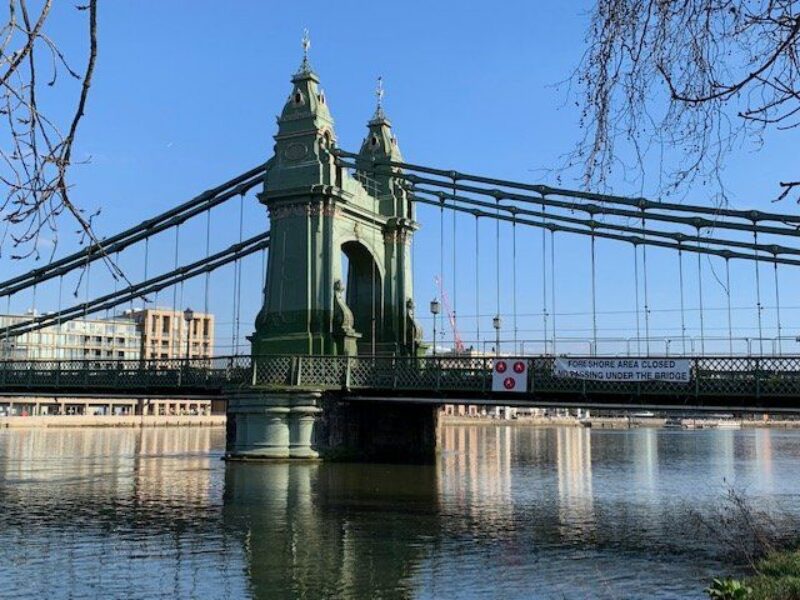
Next year marks the bicentenary of the opening of the first Hammersmith Bridge. Neither that bridge nor Sir Joseph Bazalgette’s replacement, which has now stood for almost 140 years, was designed to carry the weight and volume of modern traffic. Since the bridge closed to motor vehicles in 2019, finding a long-term solution has proved one of the most difficult transport challenges facing west London.
Last week, Hammersmith & Fulham Council set out its proposed way forward. The cost of a full restoration has now risen to around £300 million, on top of the more than £50 million the Council has already spent stabilising, monitoring and maintaining the bridge. That is an impossible commitment for a local authority at a time when council budgets remain under significant pressure.
The Council is seeking more than £100 million from the Government’s new Structures Fund to repair the bridge’s most critical elements and secure its long-term future. Without that investment, there is a real risk that the bridge, which remains a substandard structure, could face further closures even to pedestrians, cyclists and river traffic. Whatever happens in the future, ensuring that this important heritage asset is safe and properly maintained must be the immediate priority.
I know there are differing views about what the bridge should ultimately be used for. Some residents want to see it reopened to motor traffic, while others believe it should remain for pedestrians and cyclists. Indeed, I continue to receive more correspondence from constituents supporting the current walking and cycling bridge than calling for its reopening to cars. Equally, I recognise the concerns of many residents, particularly in Chiswick, about the impact the closure has had on congestion and journey times elsewhere in west London.
My own view has always been that Hammersmith Bridge formed an important north-south crossing for nearly two centuries, and its closure to vehicles was never planned. However, after seven years of uncertainty and debate, the priority now must be to secure the funding needed to preserve the bridge and avoid further deterioration. Once that work has been completed and there has been a sustained period in which traffic patterns can be properly assessed, there will be a stronger evidence base on which to consider the bridge’s longer-term future.
No proposal will satisfy everyone, but after years of delay, point-scoring and uncertainty, I believe the focus should now be on securing the investment needed to preserve Hammersmith Bridge for future generations and provide a stable foundation for whatever comes next.
Bridge pods
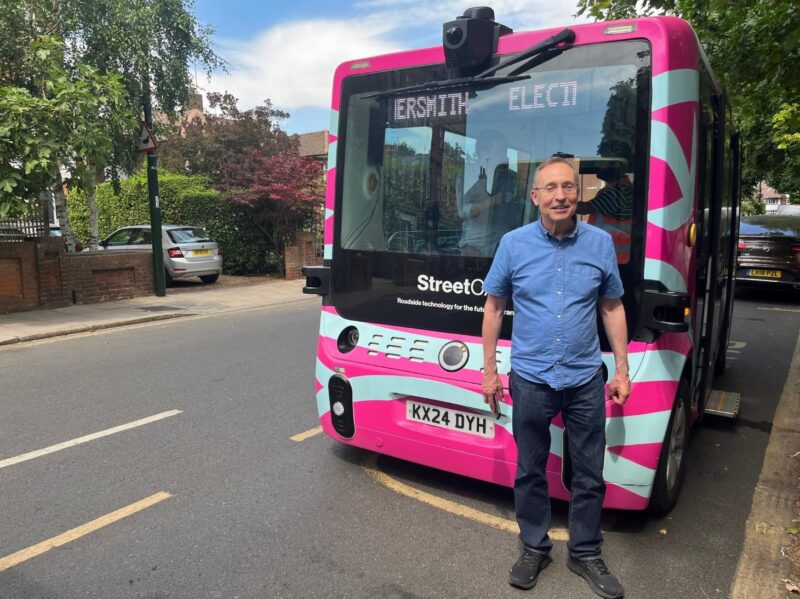
When discussing the future of the bridge, one issue I do believe should be addressed sooner is improving access for those with reduced mobility. Last week I visited a demonstration of self-driving electric shuttle pods that have been suggested as one way of improving access across the bridge.
The technology is already being used in a number of locations around the world, and while it is still at an early stage, I was impressed by what I saw. My view is that, if such a scheme were to go ahead, it should provide a simple connection between Hammersmith and Castelnau, linking with existing public transport on either side of the bridge rather than attempting a longer route.
These vehicles are not a substitute for the essential repair work the bridge still requires, but they could form part of a practical solution to improve accessibility while preserving this important historic structure. As with the wider debate about Hammersmith Bridge, there is still much work to do, but it is encouraging to see new ideas being explored.
In Parliament
Justice
The Justice Committee has continued to be busy as major reforms to the justice system make their way through Parliament. I recently made a statement in the House of Commons on the Committee’s report into the Courts and Tribunals Bill. Reform of the criminal courts is long overdue, and I welcome the Government’s determination to tackle the backlog, but it is equally important that any changes command public confidence. I hope Ministers will give careful consideration to the Committee’s recommendations as the Bill progresses.
I met the Family Mediation Council to discuss the growing role mediation can play in helping families resolve disputes more quickly and with less conflict. I also hosted the annual justice reception with the Law Society and the Bar Council, joined by the Secretary of State for Justice, David Lammy.
The Committee’s work has also focused on prisons and support for victims. Following my visit to Wormwood Scrubs, I met the Prisons Minister to discuss the position of IPP prisoners, and I also met the Independent Public Advocate to discuss improving support for victims of major disasters. Alongside this, the Committee has continued its weekly evidence sessions, questioning both the Prisons Minister on progress in tackling the prison crisis and the Attorney General on a wide range of issues relating to the justice system and the rule of law.
The Committee took evidence on the Immigration and Asylum Bill ahead of its Second Reading in the House of Commons. We heard from a former Upper Tribunal judge, a professor of administrative law and representatives from the Law Society as part of our scrutiny of the Bill and its likely impact on the justice system.
I spoke in two major debates – on the Immigration and Asylum Bill and the Hillsborough Bill, both of which have wide-ranging implications for the justice system. On Friday, the Justice Committee publishes a major report on Legal Aid highlighting the gaps in provision that mean millions of people with legal complaints have lost access to justice.
I supported two private member’s bills promoted by colleagues, one on mental capacity assessments and one on controlling Airbnb-style lets where these cause nuisance or reduce housing supply. I also met the Chief Inspector of Prisons, Charlie Taylor, to talk about his annual report on prison conditions.
Trophy Hunting
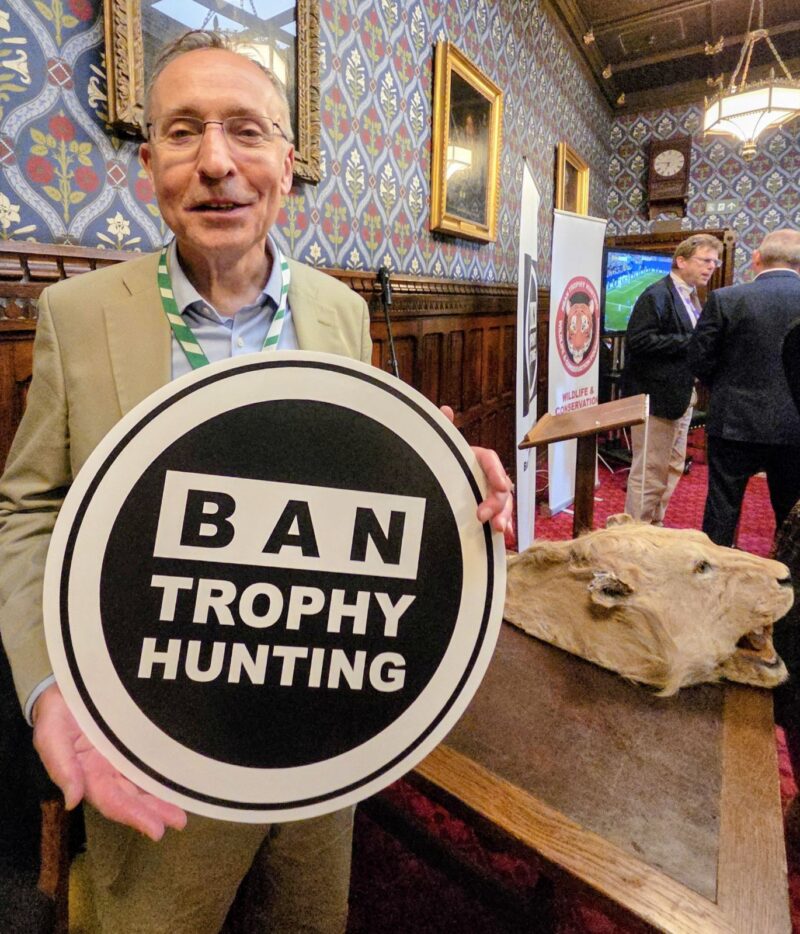
I attended a parliamentary reception this month marking the launch of the International Abolition Declaration, a campaign calling for an end to trophy hunting around the world. The event also celebrated the legacy of Dr Jane Goodall and brought together parliamentarians, conservationists and animal welfare organisations to discuss the protection of endangered species.
This is an issue that is regularly raised by my constituents, and the UK Government has committed to introducing legislation to ban the import of hunting trophies from endangered animals, and I hope to see progress made on that commitment.
Air Pollution
I spoke in a Westminster Hall debate this month on air pollution, raising concerns about the continued use of diesel buses and the pace of electrification of London’s bus fleet. While significant progress has been made in improving air quality, diesel emissions remain a problem, particularly where buses idle close to residential areas.
Local News
Hammersmith Service Control Centre
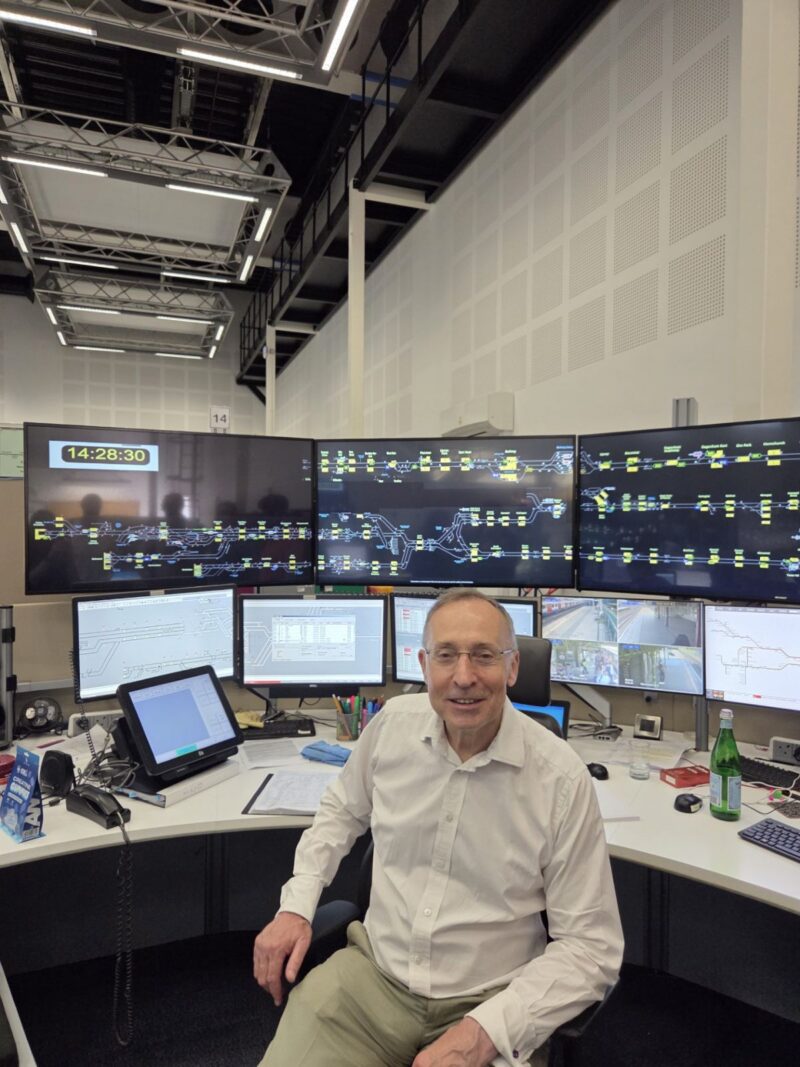
I recently visited the TfL control centre in Hammersmith to learn more about the operation of the tube network and discuss some of the transport issues affecting west London. It was a useful opportunity to raise the need for a regular timetabled service at Olympia, the ongoing signalling and reliability issues on the westbound District line, and improvements at Gunnersbury station, including future investment.
I also discussed the Richmond branch of the District line and the importance of improving reliability for passengers across west London. I was pleased that Transport for London agreed to follow up on the issues I raised, and I will continue to press for improvements to these important local services.
Stamford Brook Residents’ Association
I joined local councillors and neighbourhood police officers at the Stamford Brook Residents’ Association AGM this month. It was a useful opportunity to answer residents’ questions on issues including Heathrow expansion and the future of Hammersmith Bridge, as well as to discuss other local concerns.
The Stamford Brook Residents’ Association continues to do an excellent job representing local people across both Hammersmith & Fulham and Hounslow, and I am grateful for the work they do on behalf of the community.
Street Hub
Last week I met the representatives of Street Hub, whose thousands of members work together to make sure the massive new development at Olympia is good for residents as well as visitors and the local economy.

Cancer Research UK
I recently met my constituent Anastasiia Guseva at Cancer Research UK’s parliamentary event this month. Anastasiia is an ambassador for the charity, and it was valuable to hear about her work and the importance of continued investment in cancer research.
We discussed Cancer Research UK’s campaign to unlock funding for new treatments and the vital role that research plays in improving outcomes for cancer patients. It was an excellent opportunity to hear directly from a local constituent about an issue that affects so many families across the country.
National Parliamentary Prayer Breakfast
I attended this year’s National Parliamentary Prayer Breakfast in Westminster Hall alongside Pete Wynter, Vicar of St Paul’s, Hammersmith. The event brought together MPs and church leaders from across the country to reflect on the role of faith in public life and this year’s theme, Hope for the Future.
It was a valuable opportunity to meet with local church leaders and discuss the important contribution that faith communities continue to make in supporting people and strengthening our local communities.
Armed Forces Day
I was pleased to attend Hammersmith & Fulham’s commemoration of British Korean War Veterans Day as part of this year’s Armed Forces Day events. The ceremony in St Paul’s Garden honoured the 80,000 British servicemen and women who fought in the Korean War, including the more than 1,000 who lost their lives.
It was also a fitting celebration of the strong ties between the UK and South Korea, bringing together veterans and local communities. Congratulations to Councillor Bora Kwon, Councillor for College Park and Old Oak and the first Councillor of Korean heritage to be elected in the UK, on receiving recognition for her work supporting veterans and strengthening British-Korean relations.

Art at St Paul’s
It was a pleasure to attend the annual art exhibition at St Paul’s Primary School and see the wonderful work produced by pupils across every year group. This year’s theme, Me, Myself and I, encouraged some imaginative and thoughtful artwork, and it was clear how much creativity and effort had gone into the exhibition.
The arts play an important role in children’s education, helping to build confidence and self-expression. Congratulations to all of the pupils and staff who made the exhibition such a success.
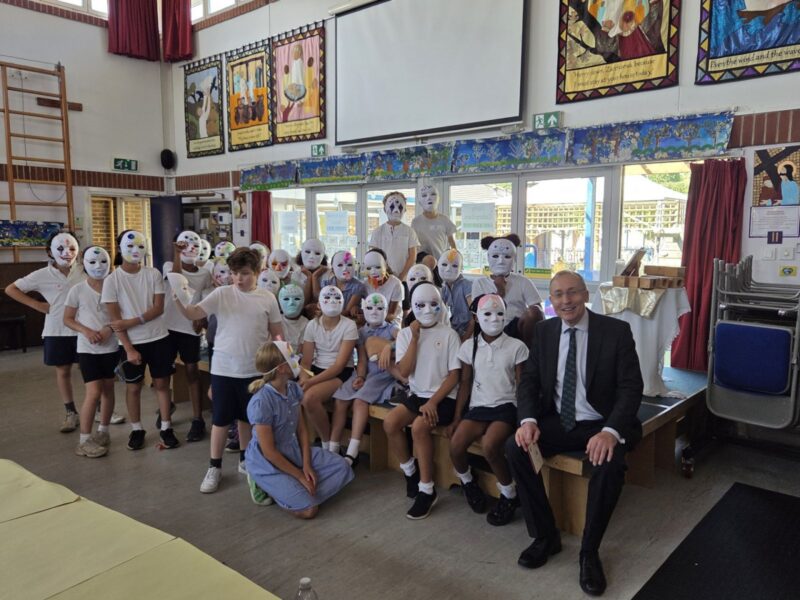
This week, to mark School Arts Week, the Lyric Theatre took arts projects into 22 local schools. I went along to the Good Shepherd Primary School to see the year five pupils making masks, and very good they were too.
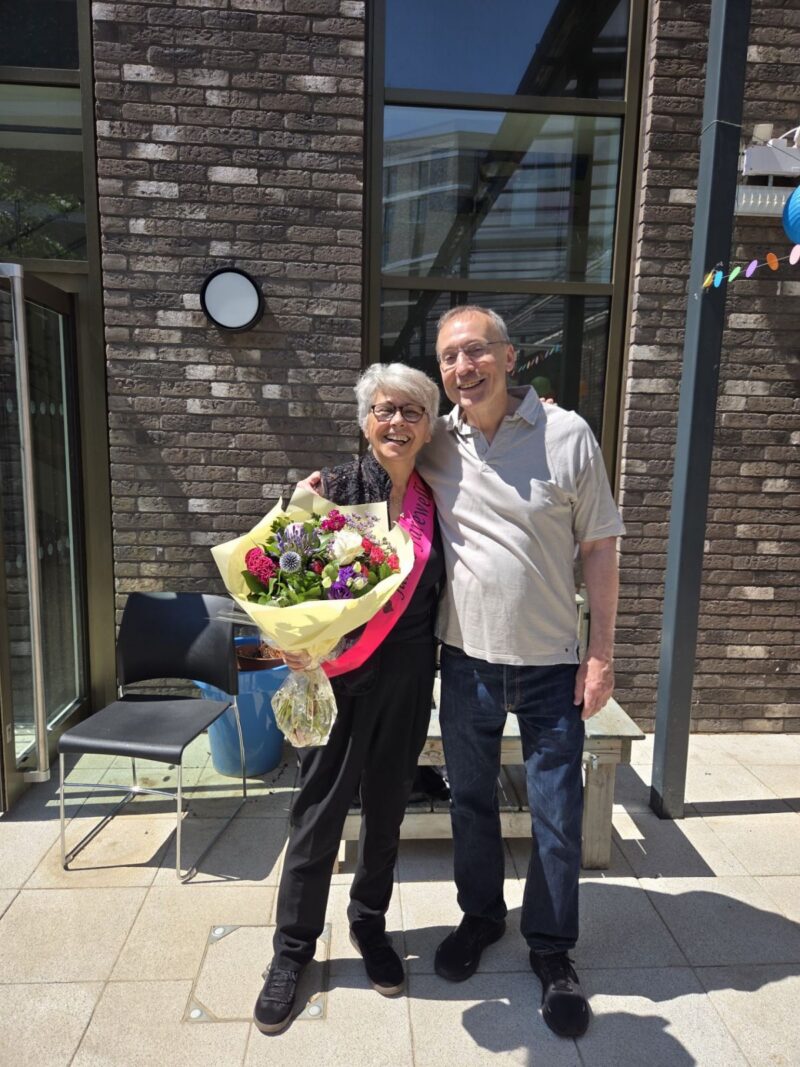
I attended a surprise retirement party for Jana Hassan, who has run the Harmony nursery in White City for the past quarter century. Hundreds of former and current pupils and parents turned out to thank an exceptional teacher and leader.